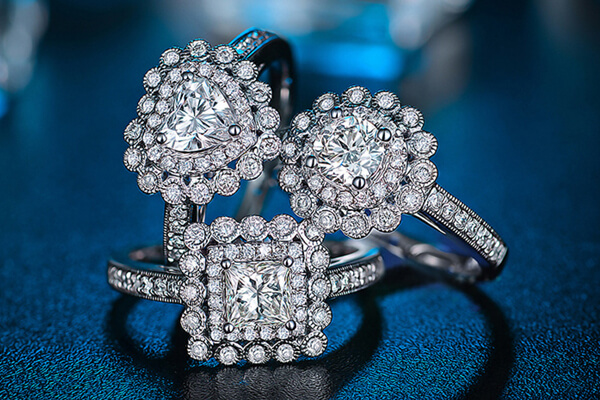
A diamond ring carries more than financial value. It represents commitments, milestones, and memories—yet despite its brilliance, even a diamond eventually loses its sparkle when worn every day. Natural oils from the skin, lotions, soap residue, makeup particles, dust, and countless microscopic contaminants settle onto the surface and behind the stone. Over time, these residues create a dull film that softens a diamond’s ability to reflect light. Even the most carefully cared-for ring begins to lose the bright, crisp fire it once displayed.
Many people attempt to restore their ring’s brilliance with household methods: warm water, dish soap, soft brushes, or polishing cloths. While these basic methods help, they rarely reach the tiny crevices under prongs or inside the setting. These areas are precisely where dirt collects most stubbornly. Even a gentle brushing cannot reach the narrow spaces where oils accumulate. As a result, the ring may look clean at a glance, but the sparkle still falls short of what the diamond is capable of.
This is where ultrasonic cleaners enter the conversation. Jewelers have used ultrasonic cleaning technology for decades because of its ability to remove grime from deep within a setting—far beyond where brushes or cloths can reach. The appeal is immediate: a small machine that can deliver a professional-level clean at home. Many owners hope to bring back the same brilliant shine they saw the day the ring first slipped onto their finger.
Yet interest in ultrasonic cleaners is often mixed with hesitation. People worry whether the vibrations might loosen stones, damage the setting, or somehow harm the diamond itself. The idea of placing a cherished engagement ring, wedding band, or heirloom piece into a vibrating tank of water can feel risky, especially for someone unfamiliar with the technology.
These concerns are completely understandable. Diamonds are among the hardest materials on Earth, but the settings that hold them are not. Rings endure daily wear, metal fatigue, bumps against countertops, and general aging over time. Even the strongest stone can be vulnerable if its setting weakens or if another gemstone shares the same ring but is not suited for ultrasonic cleaning.
As more people explore ultrasonic cleaning to restore brilliance quickly and easily, the central question becomes clearer: Is it safe, and under what conditions? Understanding the benefits, limitations, and potential risks helps ring owners make an informed decision instead of relying on guesswork or marketing claims.
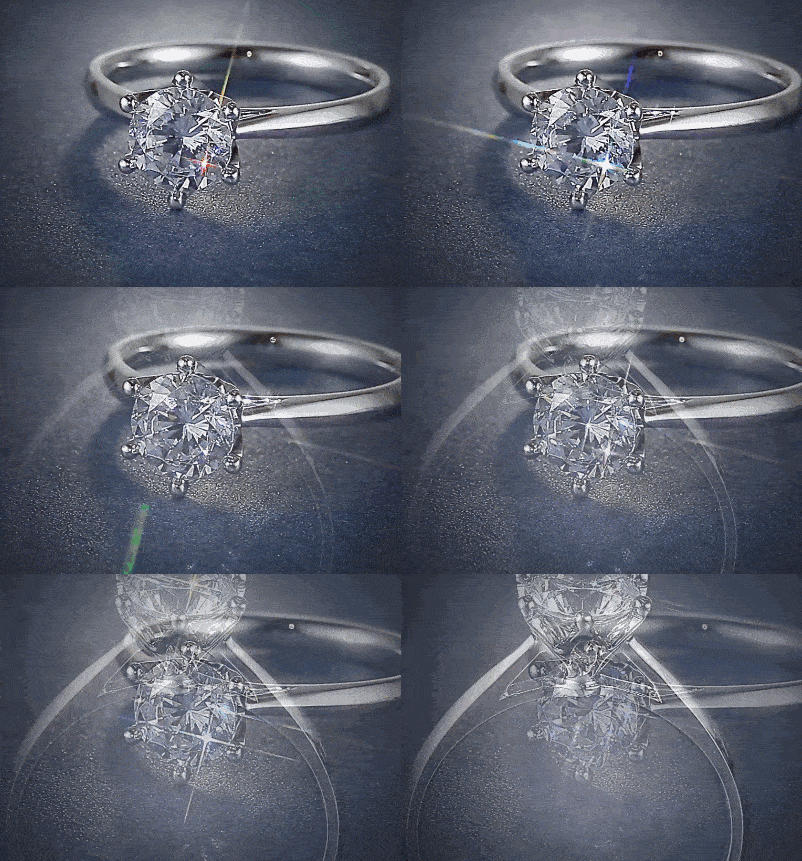
Many who research ultrasonic cleaners want more than surface-level shine—they want a method that restores the full internal fire of a well-cut diamond. They want to know how jewelers achieve that crisp, radiant brilliance and whether it is possible to replicate those results at home without risk.
Before answering whether a diamond ring can safely go into an ultrasonic cleaner, it is essential to understand how ultrasonic cleaning works and why it is particularly effective for hard gemstones like diamonds. That foundation helps reveal when ultrasonic cleaning enhances a diamond’s beauty and when it may create unnecessary danger.
How Ultrasonic Cleaners Work When Cleaning Jewelry
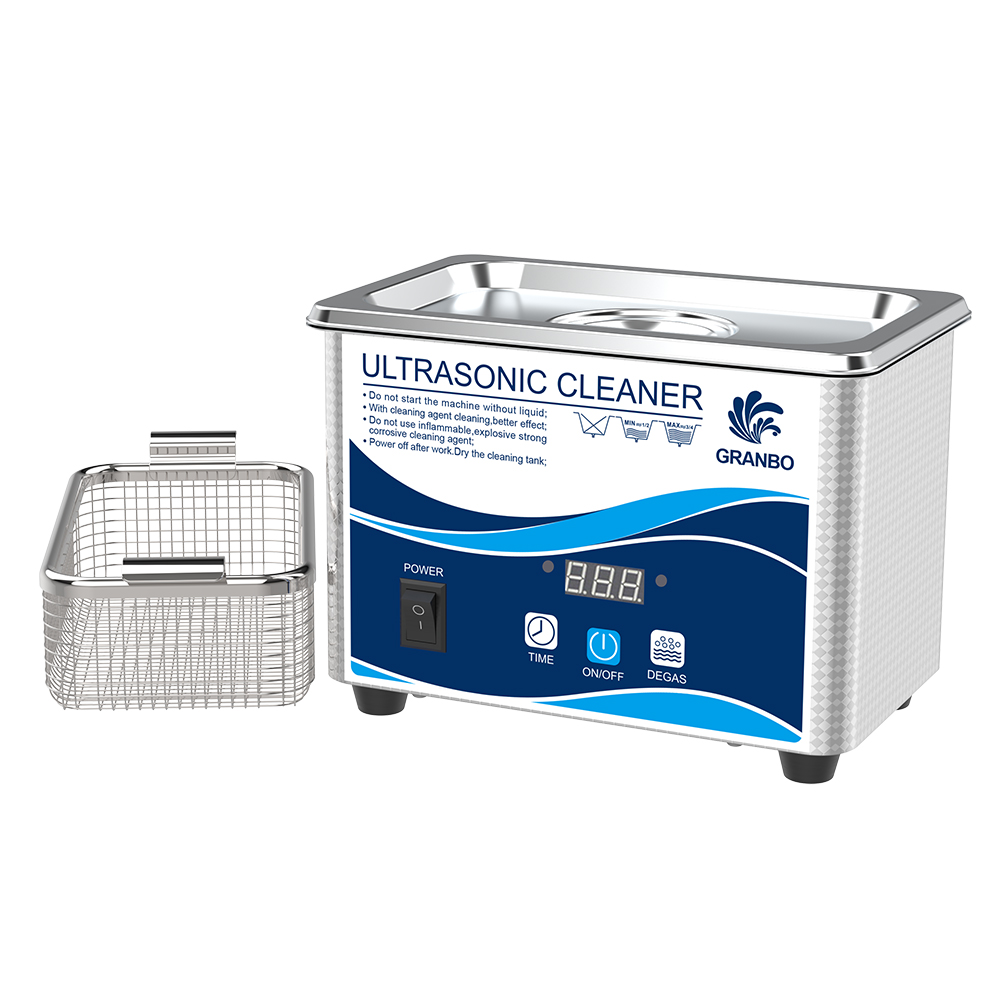
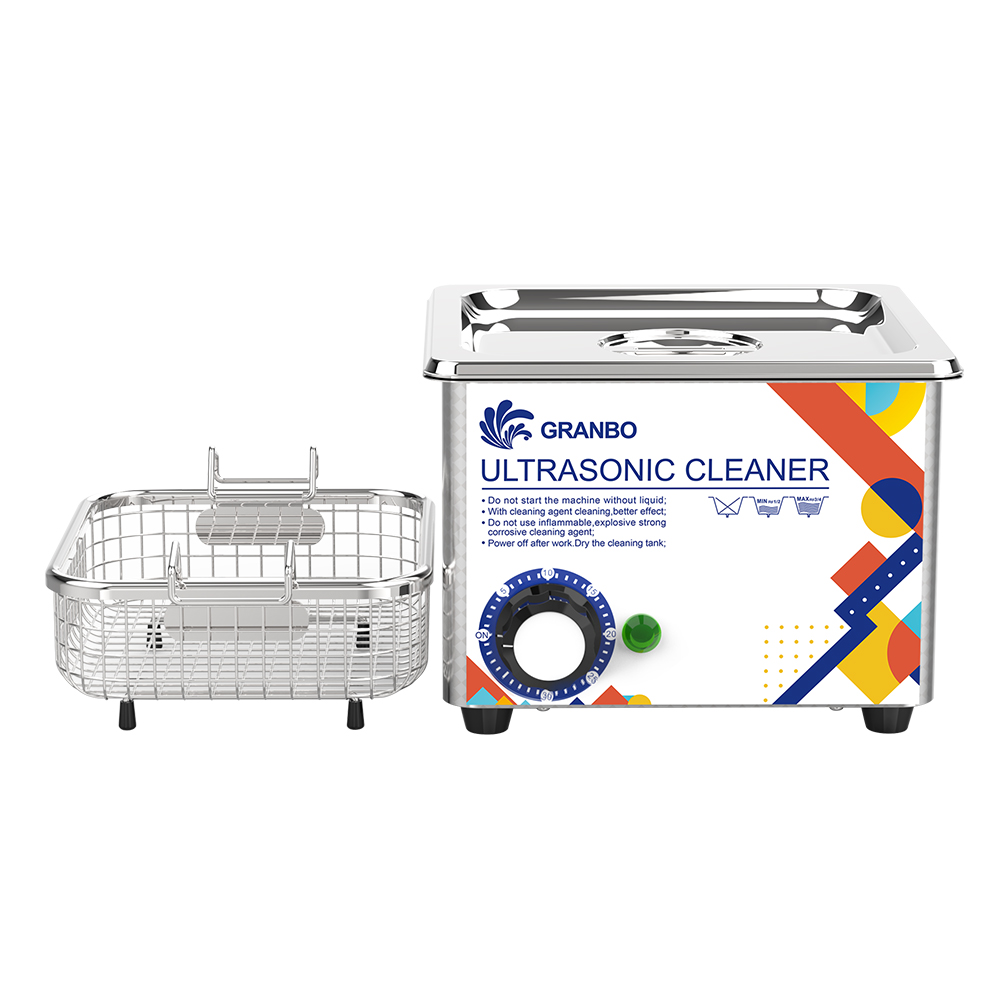
Ultrasonic cleaners seem almost magical at first glance, especially when a dull diamond ring emerges brilliantly bright only minutes later. But the technology behind this transformation follows a well-understood scientific process. To appreciate why ultrasonic cleaning is so effective for diamond jewelry—and why it must be used carefully—it helps to understand what actually happens inside the machine once the power is turned on.
Ultrasonic cleaners operate using high-frequency sound waves, typically between 40kHz and 60kHz for consumer units. When these sound waves travel through a liquid, usually water mixed with a jewelry-safe cleaning solution, they create rapid pressure fluctuations. These fluctuations form microscopic bubbles throughout the liquid. The bubbles appear and disappear so quickly that the process is invisible to the naked eye, but the effects are powerful.
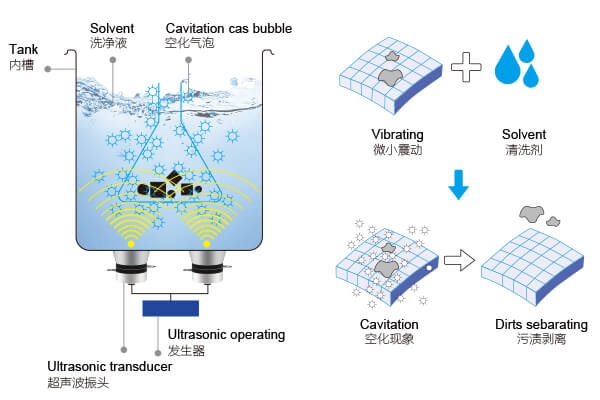
This phenomenon is known as cavitation. Cavitation bubbles expand and collapse in microseconds. When they collapse near the surface of a diamond or metal setting, they release tiny bursts of energy—like millions of microscopic scrubbing brushes working simultaneously. These microjets of energy dislodge the dirt, oils, and grime trapped in the tiniest spaces: beneath the prongs, inside pavé grooves, around the culet and girdle, or within delicate filigree detailing.
It is this ability to reach hidden crevices that makes ultrasonic cleaning so appealing for jewelry. While a toothbrush can clean the visible surfaces of a ring, it can never reach deep into the structural spaces where grime accumulates most. Cavitation, on the other hand, flows into every area where liquid can reach, delivering a thorough clean that manual brushing cannot match.
Another key benefit is uniform cleaning. Because ultrasonic waves disperse evenly throughout the tank, all parts of the ring receive the same level of scrubbing. This consistency ensures that the diamond not only looks clean on the surface but is free from dirt in the places where light needs to pass through to create fire and brilliance.
Ultrasonic cleaners vary in strength depending on the frequency and power of the unit. Lower frequencies produce stronger cavitation forces, while higher frequencies create gentler, more controlled cleaning. Most consumer jewelry cleaners operate at higher frequencies to ensure a balance between effective cleaning and protecting delicate settings. Professional jewelers, however, may use more powerful units for deep cleaning, followed by inspection to ensure stones remain secure.
One important point is that diamonds themselves are rarely at risk in an ultrasonic environment. As one of the hardest materials on Earth, diamonds easily withstand cavitation forces that might damage softer gemstones. The potential danger comes not from the stone but from the setting that holds it. Cavitation can exploit even the smallest structural weakness, such as a slightly loose prong, worn metal, or micro-fracture in the mounting. When this happens, a stone may loosen or even dislodge—not because the ultrasonic waves harmed the diamond, but because the setting was already compromised.
Despite this, ultrasonic cleaning remains one of the most effective ways to restore a diamond ring’s brilliance to near-new condition. Jewelers rely on this method daily because of its unmatched ability to remove residue from hard gemstones quickly and thoroughly. The key is understanding when it is appropriate to use and when caution is necessary.
Before diving deeper into risks and exceptions, it’s important to clarify a foundational question: Are diamond rings, in general, safe to put in an ultrasonic cleaner?
Are Diamond Rings Safe in Ultrasonic Cleaners Understanding the Basics

Diamonds have earned their reputation as one of the most durable materials in the world. Their ability to withstand scratches, pressure, and high temperatures makes them excellent candidates for ultrasonic cleaning. But while the diamond itself is tough enough to endure cavitation easily, the safety of placing a diamond ring into an ultrasonic cleaner depends on more than the gemstone alone. The entire structure of the ring—including metal type, setting design, stone treatments, and wear condition—must be considered.
Why Diamonds Generally Handle Ultrasonic Cleaning Well
A diamond’s exceptional hardness, ranking 10 on the Mohs scale, allows it to resist abrasion and micro-impact forces. The tiny microjets created by cavitation do not harm the diamond’s surface. Instead, they remove the layer of accumulated oils and debris that dulls the stone’s brilliance. Because diamonds rely on clean facets and unobstructed pathways for light to enter and reflect, removing this buildup has a dramatic effect on how they sparkle.
Ultrasonic cleaning is especially effective for diamonds because:
- cavitation reaches into tight prong areas
- light performance improves when debris under the stone is removed
- surface tension breaks down oils quickly
- diamond hardness resists ultrasonic energy
For many diamond rings, ultrasonic cleaning restores brilliance better than almost any home cleaning method.
The Importance of the Setting
Even though diamonds are strong, the setting is not always equally durable. Prongs bend over time, metal wears down, and channels may loosen, especially in rings worn daily. Ultrasonic vibrations can exploit these weaknesses. If a prong is already slightly lifted, the vibration may loosen it further, potentially releasing a stone.
This is why jewelers often inspect settings before using ultrasonic cleaners. A secure, well-maintained setting poses little risk. A worn or damaged one, however, should be repaired before ultrasonic cleaning is attempted.
Why Light Performance Improves After Ultrasonic Cleaning
Diamonds sparkle because of the way they interact with light. Oils, lotion residue, dirt, and soap film all interfere with light entering and exiting the stone. Cleaning the diamond thoroughly allows:
- more light to reach the pavilion
- more internal reflections
- greater fire (colored flashes)
- stronger brilliance (white light return)
This is why a freshly cleaned diamond often appears significantly brighter and more vibrant.
When Ultrasonic Cleaning Works Exceptionally Well
Diamond rings benefit most from ultrasonic cleaning when:
- the ring is worn daily
- residue collects under the stone
- prongs are tight and secure
- the diamond has not been clarity-enhanced
- the ring has intricate metalwork where dirt accumulates
- soap and lotion films create dullness
In these cases, ultrasonic cleaning can restore near-professional results in minutes.
Why Some People Fear Using Ultrasonic Cleaners
Despite diamonds’ strength, many ring owners worry about ultrasonic cleaning for understandable reasons. The idea of placing an expensive, sentimental, or heirloom ring into a vibrating tank can feel nerve-wracking. People fear:
- stones falling out
- prongs bending
- diamonds cracking
- the machine being too aggressive
While most of these concerns stem from misunderstanding the technology, some risks are real—but related to the setting, not the diamond. The next section covers these exceptions in detail, outlining when you should not clean a diamond ring in an ultrasonic cleaner.
When You Should NOT Put a Diamond Ring in an Ultrasonic Cleaner
While ultrasonic cleaners are excellent for many diamond rings, there are important situations where using one can increase the risk of damage. These risks rarely involve the diamond itself—the stone is almost always strong enough to withstand the vibrations. Instead, the danger lies in weaknesses in the setting, certain types of diamond treatments, or the presence of more delicate gemstones in the same ring. Understanding these exceptions is essential before placing any ring into an ultrasonic machine.
1. Rings With Loose Prongs or Weak Settings
The most common reason stones come loose in an ultrasonic cleaner is not because the machine is too strong, but because the prongs were already compromised. Cavitation forces can reveal a weakness that was invisible to the naked eye.
Signs your prongs may be weak include:
- the diamond moves slightly when touched
- the ring has not been inspected in years
- metal looks worn down or thin
- you notice snagging on clothing
- the ring has sustained an impact recently
If the setting is even slightly loose, ultrasonic vibration can cause the stone to shift or fall out entirely. This does not mean ultrasonic cleaners are dangerous—it means the ring needed maintenance.
2. Pavé and Micro-Prong Settings
Rings with pavé diamonds or micro-prong settings contain many tiny stones held in place by extremely small beads of metal. These small stones can loosen more easily, and ultrasonic cleaning can accelerate that process.
This risk increases if:
- the ring is older
- the diamonds are very small
- the pavé area spans a large portion of the ring
- the metal has softened with wear
Many jewelers avoid using ultrasonic cleaners on pavé rings unless they have inspected the setting thoroughly.
3. Fracture-Filled or Clarity-Enhanced Diamonds
Some diamonds have been treated to improve clarity. One of the most common treatments is fracture filling, where small internal cracks are filled with a glass-like substance to make them less visible.
Ultrasonic cleaners should never be used on fracture-filled diamonds because:
- vibrations can displace or crack the filler
- heat changes can cause the filler to expand
- the diamond may appear worse after cleaning
Clarity-enhanced diamonds can lose their improved appearance if exposed to ultrasonic vibration.
4. Laser-Drilled Diamonds
Laser drilling removes internal inclusions but leaves micro-tunnels inside the diamond. These tunnels can make the stone slightly more vulnerable to stress. While laser-drilled diamonds are generally stable, ultrasonic cleaners may:
- widen the tunnels
- expose the drill area
- create visible whitening or clouding
It is safer to avoid ultrasonic cleaning for laser-drilled stones.
5. Antique or Vintage Rings
Older rings often have:
- worn-down metal
- aged solder joints
- hand-cut stones with irregular shapes
- delicate craftsmanship
- brittle alloys not commonly used today
The vibrations of an ultrasonic cleaner can stress old metalwork, weaken joints, or loosen stones. Professional jewelers often hand-clean vintage rings for this reason.
6. Rings Containing Soft Gemstones Alongside Diamonds
Many diamond rings feature additional stones such as:
- emerald
- opal
- pearl
- turquoise
- onyx
- coral
- morganite
These stones are far softer than diamonds and can be scratched, fractured, or dulled by ultrasonic vibration.
If your ring contains a mix of gemstones, it may not be safe to place the entire piece into an ultrasonic cleaner, even if the diamond itself is safe.
7. Rings With Loose or Insecure Side Stones
Side stones—even those made from diamond—can come loose if their settings are not secure. Ultrasonic cleaners do not discriminate between center stones and side stones. If any part of the ring has a structural weakness, vibration may reveal it.
8. Jewelry With Epoxy, Adhesives, or Non-Metal Mountings
Some rings use adhesive for specialty settings or repairs. Ultrasonic vibration can weaken or break down adhesives over time, causing stones to detach.
These exceptions do not mean ultrasonic cleaners are dangerous—only that they must be used responsibly. With a properly secured setting and untreated diamond, ultrasonic cleaning is extremely effective. But when any of the above conditions apply, avoiding ultrasonic vibration protects both the gemstone and the craftsmanship.
Understanding Ring Settings and How They Affect Ultrasonic Safety
A diamond’s durability often creates the impression that any diamond ring is automatically safe in an ultrasonic cleaner. But in reality, the setting—the structure holding the stone—is the component that determines whether ultrasonic cleaning is safe, risky, or entirely unsuitable. Each setting type interacts differently with vibration. Knowing how your ring is constructed is one of the most important steps before deciding to use ultrasonic cleaning at home.
Prong Settings: Secure but Vulnerable to Wear
Prong settings are the most common style, especially for solitaire rings. The prongs allow maximum light to reach the diamond, enhancing brilliance. While prongs are generally sturdy, they can become thin, bent, or loosened through years of wear.
Ultrasonic cleaners can amplify any weakness because vibration encourages movement. If the prongs are secure, ultrasonic cleaning is perfectly safe. If they are worn or loose, vibration can cause further displacement.
Key considerations for prong settings:
- Check for even spacing and alignment
- Watch for snagging on clothes
- Inspect prong tips for flattening or thinning
- Have a jeweler tighten the prongs if needed
A well-maintained prong setting performs beautifully in ultrasonic cleaning, but a weakened one must be repaired first.
Bezel Settings: Generally the Safest for Ultrasonic Cleaning
Bezel settings encircle the diamond completely with a continuous band of metal. Because of this full support, diamonds are held extremely securely. Bezel-set rings are among the safest to clean ultrasonically.
Benefits of bezel settings:
- no exposed prongs that can loosen
- excellent structural stability
- ideal for people with active lifestyles
- vibration does not typically jeopardize stone security
Unless the metal itself is damaged, bezel settings pose minimal risk.
Channel Settings: Stable but Dependent on Condition
In channel settings, diamonds sit side-by-side within a metal channel. The stones share structural contact, and the channel walls secure them in place.
Potential issues include:
- loosening over time due to metal wear
- stones shifting slightly under pressure
- vulnerability if the channel walls thin
If the channel is secure and without gaps, ultrasonic cleaning works well. If stones show any movement, avoid ultrasonic vibration until repaired.
Pavé and Micro-Pavé Settings: High Risk
Pavé settings use multiple tiny diamonds secured with tiny beads of metal. The smaller the prong or bead, the more sensitive the setting becomes.
Risks with ultrasonic cleaning:
- small stones may dislodge due to vibration
- weakened beads can break
- dirt trapped beneath stones may mask loose areas
Even jewelers often avoid ultrasonic cleaning on pavé rings unless they have first examined and tightened the setting. These settings are some of the most delicate in jewelry design.
Halo Settings: Mixed Safety Conditions
Halo settings consist of a center diamond surrounded by smaller diamonds. The center stone may be secure, but the halo stones—especially if pavé-set—present vulnerabilities. If the halo features micro-prongs, ultrasonic vibration may loosen those stones.
When evaluating halo rings:
- the center stone may be safe
- the halo stones must be inspected closely
- any looseness in the halo increases risk significantly
Tension Settings: Structurally Strong but Sensitive to Misalignment
Tension-set rings hold the diamond by pressure rather than prongs. The stone appears to “float” between two metal arms.
Pros for ultrasonic cleaning:
- no prongs to loosen
- diamond is held firmly by compression
Risks:
- vibration may reveal alignment issues
- metal fatigue over time can weaken the setting
- if the stone shifts even slightly, the entire structure is compromised
Filigree, Antique, and Handcrafted Settings
Intricate designs include thin metalwork, delicate soldering, and detailed engraving. These settings may be structurally weaker due to age or craftsmanship.
Reasons ultrasonics can be risky:
- delicate solder joints may loosen
- vibration may stress fragile details
- antique metals can be brittle
- craftsmanship from earlier eras may not withstand cavitation well
Professional cleaning is safer for older or artisan pieces.
Mixed-Gemstone Settings
If your ring includes gemstones other than diamonds—emeralds, opals, pearls, morganite, turquoise, or onyx—the ultrasonic cleaner becomes instantly unsuitable. These stones cannot tolerate vibration, heat, or cavitation.
Even if only the side stones are delicate, the entire ring must stay out of the ultrasonic cleaner.
Are All Diamonds Safe What About Treated or Enhanced Stones
Although natural, untreated diamonds are generally safe for ultrasonic cleaning, not every diamond is the same. Many stones on the market have undergone treatments designed to improve their appearance—particularly their clarity or color. These enhancements can make a diamond more visually appealing, but they also introduce vulnerabilities that ultrasonic cleaners can exploit. Understanding whether a diamond has been treated is essential before placing it into any ultrasonic device.
Fracture-Filled Diamonds: Never Safe for Ultrasonic Cleaning
Fracture filling is one of the most common clarity enhancement methods. This process involves:
- injecting a glass-like resin into internal cracks
- heating the stone to fuse the filler
- masking inclusions to improve clarity
While this treatment makes the diamond look cleaner, it creates a major weakness. Ultrasonic cleaners should never be used on fracture-filled diamonds because:
- Cavitation can displace or crack the filler
- Heat fluctuations can cause the material to expand
- Vibrations may draw out or cloud the filling
- The diamond may appear worse after cleaning
A fracture-filled diamond looks intact but behaves differently from an untreated one. Even professional jewelers avoid ultrasonic cleaning for these stones.
Clarity-Enhanced Diamonds (CE Diamonds)
Some clarity-enhanced diamonds undergo a combination of treatments, including high-pressure, high-temperature (HPHT) processes and filler injections. While HPHT on its own is stable, filler-related clarity enhancements are not.
Potential ultrasonic risks include:
- filler breakage
- visible cloudiness
- surface-reaching cracks becoming more pronounced
- filler exposed at the surface becoming damaged
Owners of clarity-enhanced diamonds should avoid ultrasonic cleaning entirely unless a jeweler confirms HPHT-only treatment.
Laser-Drilled Diamonds: Sometimes Safe, Sometimes Not
Laser drilling removes dark internal inclusions by creating microscopic tunnels to access the imperfection. The tunnels are often filled or left open depending on the method used.
Concerns include:
- tunnels may widen under vibration
- residue can settle into drill channels
- cavitation can exaggerate the appearance of drill marks
While some jewelers consider laser-drilled diamonds stable enough for ultrasonic cleaning, others recommend caution. A professional inspection is highly recommended before cleaning.
Irradiated or Color-Enhanced Diamonds
Color-enhanced diamonds—those altered to produce fancy hues like blue, yellow, or green—may be treated using irradiation, coatings, or heat processes.
Not all color enhancements react the same way:
- Irradiated diamonds are generally stable
- Coated diamonds (surface-treated) are unsafe
- HPHT color-enhanced diamonds are typically safe
The biggest risk lies with coated diamonds. Ultrasonic vibration can damage or remove the thin surface layer responsible for the color, causing the diamond to lose its enhancement.
HPHT Diamonds: Usually Safe
HPHT (High Pressure High Temperature) treatment alters the diamond’s crystal structure at a fundamental level. It is stable, permanent, and resistant to mechanical stress.
Most HPHT-treated diamonds are safe in ultrasonic cleaners because:
- no filler is used
- no surface coating is present
- the diamond remains structurally strong
However, confirming that the stone is HPHT-only is important before proceeding.
Treated Stones in Antique Jewelry
Older rings and estate pieces may have undergone:
- oiling (similar to emerald treatment)
- resin filling
- surface coating
- undocumented repairs
Because these enhancements may not be disclosed or easily identifiable, ultrasonic cleaning becomes risky. Antique stones should always be evaluated by a jeweler before cleaning.
Why Consumers Often Don’t Know Their Diamond Is Treated
Unless disclosed at purchase, many owners have no idea their diamond has been enhanced. Clarity enhancement can be subtle, and many sellers do not emphasize the limitations of treated stones. This uncertainty is why many jewelers ask before cleaning:
- “Was this diamond treated or enhanced?”
- “Do you know if this stone is fracture-filled?”
A single ultrasonic cleaning session can permanently damage a treated stone if the owner is unaware.
Quick Rule of Thumb
- Untreated natural diamonds: generally safe
- HPHT diamonds: safe
- Laser-drilled diamonds: proceed with caution
- Fracture-filled diamonds: absolutely not
- Coated diamonds: absolutely not
- Clarity-enhanced (filler-based): not safe
Understanding this distinction prevents irreversible damage.
Risks of Using Ultrasonic Cleaners on Diamond Rings
Ultrasonic cleaners are powerful tools, and when used correctly, they can restore a diamond ring’s brilliance remarkably well. However, just as with any specialized cleaning method, they come with certain risks. These risks rarely involve the diamond itself—diamonds are strong enough to withstand ultrasonic vibration without issue. Instead, the vulnerabilities lie in the setting, the metal, and the overall condition of the ring. Understanding the potential downsides helps ensure that ultrasonic cleaning is used safely and appropriately.
1. Loose Stones Becoming Detached
The most common risk is the possibility of a stone coming loose. Cavitation forces penetrate every part of the ring, reaching under prongs and within the structure of the setting. If a stone is even slightly loose, ultrasonic vibration can worsen the looseness or cause the stone to fall out entirely.
This issue occurs not because the ultrasonic cleaner is too strong, but because:
- the prongs were already worn down
- the ring had metal fatigue
- the stone had been knocked earlier without notice
- the setting had weakened over years of wear
Ultrasonic cleaning simply reveals these existing weaknesses. This is why jewelers always inspect settings before cleaning.
2. Weak or Thinning Metal Can Flex Under Vibration
Rings worn daily undergo constant microscopic stress. Metal thins over time, particularly around the underside of the setting or along the shank. Vibration can cause weakened areas to flex slightly. While this flexing may not break the metal immediately, it can:
- worsen existing fatigue
- loosen prongs
- change the alignment of small stones
- expose micro-cracks
Gold, especially 18k gold, is softer and more prone to this effect than platinum.
3. Micro-Pavé Stones Can Loosen Easily
Micro-pavé settings use extremely small prongs—almost the width of a needle—to hold tiny diamonds in place. While beautiful, these settings are delicate.
Ultrasonic cleaners can cause:
- micro-prongs to break
- tiny stones to shift
- beads of metal to give way
- entire rows of pavé stones to loosen
This is why many jewelers refuse to clean pavé rings ultrasonically unless the customer signs a waiver.
4. Treated Diamonds May Be Damaged
As discussed in Section 6, treated diamonds—fracture-filled, coated, or clarity-enhanced—can suffer irreversible damage during ultrasonic cleaning.
Risks for treated stones include:
- filler cracking or leaking
- coatings peeling
- fractures widening
- clarity worsening
These diamonds must never go into an ultrasonic cleaner.
5. Heat Buildup in Low-Quality Devices
Poorly regulated ultrasonic cleaners can produce heat during extended cycles. While diamonds tolerate heat well, the metal, setting, and any accompanying stones may not.
Heat can lead to:
- metal expansion that loosens stones
- stress on solder joints
- damage to adhesives in certain settings
- additional risk to treated diamonds
High-quality ultrasonic cleaners include temperature control to avoid this issue.
6. Shock to Old or Antique Rings
Vintage rings often contain:
- old solder
- hand-cut stones
- brittle metal alloys
- delicate filigree
- early-generation mounting techniques
Vibration can weaken these fragile areas. Even if the diamond survives unscathed, the structural integrity of a century-old setting may not.
For antique rings, professional cleaning is strongly recommended.
7. Risk to Other Gemstones in the Ring
Many diamond rings also contain softer stones such as:
- sapphire
- emerald
- opal
- onyx
- pearl
- turquoise
- garnet
Even if the diamond is safe, these companion stones may not withstand ultrasonic cleaning. Each gemstone type responds differently to vibration, heat, and cavitation.
If any part of the ring contains a vulnerable gemstone, the entire ring must be kept out of the ultrasonic cleaner.
8. Loosening of Rings Previously Repaired
Soldered joints, rebuilt prongs, or resized rings may have areas that are structurally weaker than the original metal. Vibration may stress these repaired zones.
If your diamond ring has undergone recent or frequent repairs, ultrasonic cleaning should only be done after a jeweler confirms the integrity of the work.
9. Abrasion of Certain Finishing Techniques
Ultrasonic cleaners can affect:
- black rhodium finishes
- antique patina
- etched textures
- oxidized designs
These finishes may wear unevenly under cavitation.
When Ultrasonic Cleaning Works Best for Diamonds
Ultrasonic cleaning is not just a convenient option for maintaining the brilliance of a diamond ring—it is, in many cases, the most effective method available. When the ring is structurally sound and the diamond is untreated, ultrasonic cleaning can restore the full beauty and fire of the stone in a way that manual methods simply cannot match. Understanding when ultrasonic cleaning delivers the greatest benefit helps ring owners determine whether this technique is right for their jewelry.
1. Rings Worn Daily and Exposed to Oils, Lotions, and Dirt
A diamond ring worn every day accumulates a surprising amount of buildup from sources such as:
- skin oils
- hand lotion
- soap residue
- sunscreen
- makeup particles
- environmental dust
These materials settle into tiny gaps beneath the prongs or inside the setting. Manual cleaning can remove surface grime, but the fine pockets of buildup underneath the stone often remain untouched. Ultrasonic cavitation reaches these areas easily, breaking apart grime deep within the setting and restoring brightness.
Daily-wear rings typically benefit the most because they accumulate the most dirt.
2. Rings With Intricate Settings or Hard-to-Reach Details
Filigree, under-gallery work, cathedral settings, and tightly spaced prongs all create spaces where dirt collects—and where brushes cannot reach effectively.
Ultrasonic cleaning excels in these situations because:
- cavitation spreads evenly
- the liquid reaches every accessible space
- vibration dislodges debris from tiny crevices
These are the rings that often look dramatically brighter after a few minutes in an ultrasonic cleaner.
3. Rings That Have Lost Brilliance Over Time
A diamond’s sparkle depends heavily on clean facets. Oil films and residue soften the light return and reduce sparkle. Even if the diamond appears “clean enough,” any haze or residual film dulls its fire.
Ultrasonic cleaning restores brilliance by:
- removing the microscopic film on the surface
- opening light pathways beneath the diamond
- enhancing internal reflections
- improving both brilliance (white light) and fire (colored flashes)
This is why ultrasonic cleaning is used by jewelers before presenting diamonds—they want the stone to look as stunning as possible.
4. Heavily Soiled Rings
Some rings gather grime not just over days or weeks, but over months or years—especially wedding sets worn continuously. Soap, lotion, and other residues can solidify into a hardened film.
Ultrasonic cleaners break apart these stubborn deposits in ways manual scrubbing cannot. For rings that have not been cleaned in a long time, the transformation is often dramatic.
5. Platinum and Gold Settings Without Weakness or Damage
Strong, well-crafted metal settings—particularly platinum—are excellent candidates for ultrasonic cleaning. These metals respond well to the vibration and are less likely to deform or suffer fatigue when the ring is in good condition.
Ideal characteristics include:
- thick, sturdy prongs
- solid metal shanks
- modern casting methods
- minimal prior repairs
Tools used by jewelers are far stronger than home units, and even those are safe with well-maintained settings.
6. Diamonds Free From Enhancements or Structural Weakness
Natural, untreated diamonds are robust. They do not crack or chip from ultrasonic cleaning (unless pre-existing damage exists). They tolerate heat, vibration, and pressure exceptionally well. Because cavitation is more dangerous to the setting than to the stone, a structurally sound diamond ring performs beautifully in an ultrasonic cleaner.
7. Rings Intended for Professional-Level Maintenance
Many people choose ultrasonic cleaners because they want to achieve jeweler-level cleanliness at home. The process is fast, highly effective, and replicates the method that jewelers use in their workshops.
A ring cleaned ultrasonically often emerges:
- brighter
- more reflective
- cleaner under the stone
- more visually striking
If the goal is maximum sparkle with minimal effort, ultrasonic cleaning delivers.
8. Rings With Harder Companion Stones (If Any)
If a diamond ring features additional hard stones such as sapphires or rubies, ultrasonic cleaning is generally safe—assuming the settings are intact. These stones withstand cavitation forces similarly to diamonds, making them good candidates for deep cleaning.
9. Rings That Undergo Regular Professional Inspection
The safest use of ultrasonic cleaning occurs when a jeweler routinely checks the ring’s structural integrity. If prongs, channels, and settings are confirmed secure, the ultrasonic cleaner becomes a reliable, repeatable maintenance tool.
Regular inspections make ultrasonic cleaning significantly safer because they identify weakening metal before vibration becomes a risk.
Professional Jewelers’ Opinions and Industry Guidelines
Jewelers rely on ultrasonic cleaners daily, and their long-term experience provides valuable insight into when ultrasonic cleaning is safe, when it is risky, and how to use it wisely. Their perspective is uniquely informed by thousands of rings passing through their hands each year—rings of every age, condition, gemstone type, and craftsmanship style. Because of this, jewelers have developed a balanced, practical approach that highlights both the strengths and limitations of ultrasonic cleaning.
Why Jewelers Trust Ultrasonic Cleaners
For jewelers, an ultrasonic cleaner is a workhorse. It is often the first step in preparing a diamond ring for inspection, repair, appraisal, or resale. The reason is simple: a clean ring reveals the true condition of the stone and the setting. Dirt often masks cracks, weak prongs, or misaligned stones. Ultrasonic cleaning quickly removes this debris, allowing the jeweler to see the ring clearly.
Professionals prefer ultrasonic cleaning because:
- it restores brilliance efficiently
- it removes buildup from hard-to-reach areas
- it prepares the ring for further work
- it provides consistent, repeatable results
No other cleaning method achieves this depth of cleaning in such a short time.

Why Jewelers Still Exercise Caution
Despite the effectiveness of ultrasonic cleaners, jewelers do not use them blindly. A trained jeweler always checks the ring first because they understand how vibration interacts with metal fatigue and stone placement.
A jeweler will typically:
- inspect prongs under magnification
- check for movement in the stone
- evaluate the overall wear of the ring
- identify any prior repairs
- assess whether the diamond is treated
Only if the ring passes these checks will it be placed into the ultrasonic machine.
This careful approach explains why professional cleaning is often safer than at-home ultrasonic use—jewelers know what to look for.
Industry Guidelines for Safe Ultrasonic Cleaning
Professional associations and gemological institutes offer several widely accepted guidelines:
- Ultrasonic cleaning is safe for untreated diamonds in secure, well-maintained settings.
This includes platinum, gold, and most modern settings. - Do not clean clarity-enhanced or fracture-filled diamonds ultrasonically.
This can permanently damage the stone. - Check stone security before every cleaning session.
Even a tiny amount of movement means ultrasonic cleaning should be avoided. - Avoid ultrasonic cleaning for antique or fragile rings.
Old solder joints and delicate workmanship are vulnerable to vibration. - Mixed-gemstone rings require special consideration.
Softer stones should never be subjected to ultrasonic cleaning. - Monitor temperature in the ultrasonic tank.
Excessive heat exacerbates structural weaknesses.
These guidelines form the basis of best practices in jewelry workshops worldwide.
Why Jewelers Sometimes Warn Customers About Ultrasonic Cleaners
Many customers assume ultrasonic cleaners are universally safe or that they can replace professional cleaning entirely. Jewelers often clarify that while ultrasonic cleaning is effective, it is not suitable for every ring.
Common reasons a jeweler might caution a client include:
- the ring shows signs of worn prongs
- the metal is thinning from years of wear
- the diamond appears treated
- the setting includes very small or delicate stones
- the ring contains a soft gemstone
- the ring is vintage or historically significant
Jewelers want customers to avoid unnecessary risks, especially for sentimental pieces.
Why Jewelers Prefer to Ultrasonically Clean After Inspection
Inspecting before cleaning helps jewelers:
- prevent losing a stone during cleaning
- catch damage or looseness early
- ensure the ring can handle vibration
- provide repair recommendations if needed
For many jewelers, an ultrasonic cleaner is not the first step, but the second—inspection always comes first.
How Professional Ultrasonic Equipment Differs From Home Units
Jeweler-grade ultrasonic machines are typically:
- more powerful
- larger in tank volume
- equipped with better temperature control
- outfitted with sweep and degassing modes
- designed for continuous operation
Their higher power means they clean more deeply, but it also increases the importance of evaluating the ring beforehand. Home units, by comparison, are gentler and often safer for routine cleaning—though still not appropriate for treated or fragile stones.
Why Jewelers Recommend Periodic Professional Cleaning Even If You Own a Machine
Even if you use an ultrasonic cleaner at home, jewelers often recommend a professional inspection and cleaning every six to twelve months. This is because:
- prongs can wear down unnoticed
- stones can shift slightly over time
- settings loosen gradually with everyday use
- metal fatigue progresses microscopically
Professional evaluations catch these subtle changes before they become problems.
The Consensus Among Jewelers
Most jewelers agree on the following straightforward points:
- Ultrasonic cleaning is excellent for diamonds when the ring is structurally sound.
- The biggest risks come from settings, not the diamond itself.
- Treated stones and fragile mountings should never be cleaned this way.
- Inspection before cleaning prevents nearly all issues.
- Results are superior to manual cleaning methods.
Their balanced perspective helps diamond owners make informed decisions with confidence.
How to Prepare Your Diamond Ring Before Using an Ultrasonic Cleaner
A diamond ring may seem strong enough to handle anything, but safe ultrasonic cleaning begins long before the ring ever touches the water. Proper preparation is essential because it ensures the ring can withstand vibration without exposing hidden weaknesses. This stage is often overlooked by at-home users, yet it is exactly what jewelers do before every ultrasonic cleaning session. Taking the time to prepare your ring not only prevents damage—it also improves the final cleaning results.
1. Inspect the Ring for Loose Stones
The most important step before ultrasonic cleaning is checking whether any stones move. Even a slight wiggle is enough reason to pause. Cavitation enters every micro-gap, and if a stone is unstable, vibration can amplify that movement until the stone becomes fully detached.
To check stone security:
- Gently tap the ring near your ear and listen for clicking
- Use a fingernail to lightly push each prong
- Rotate the ring under strong lighting to spot gaps
- Look for uneven spacing or misalignment
If anything looks or sounds suspicious, the ring should not be placed in an ultrasonic cleaner until a jeweler tightens the setting.
2. Examine the Prongs and Metalwork
Prongs secure the stone, but daily wear gradually thins the metal. Over time, prongs:
- flatten
- bend
- develop tiny stress fractures
- lose their rounded tips
Ultrasonic vibration can worsen these weaknesses. A visual inspection helps you identify:
- prongs that appear too thin
- bent prongs that no longer sit evenly
- missing or broken prongs
- metal that looks worn or rough
If prongs are no longer uniform, ultrasonic cleaning should be avoided.
3. Look for Signs of Prior Repairs
Resizing, soldering, and rebuilding prongs all introduce new structural points in a ring. While these repairs are perfectly normal, they may create zones that react differently to vibration.
Signs of past repair work include:
- slightly different metal coloration
- visible seams under the shank
- areas where polishing marks differ
- uneven line thickness on prongs
If a ring has undergone recent repair, it’s wise to avoid ultrasonic cleaning until the jeweler who performed the work approves it.
4. Determine Whether the Diamond Is Treated
As described earlier, clarity-enhanced, fracture-filled, coated, and some laser-drilled diamonds cannot withstand ultrasonic vibration. Before cleaning, you should confirm whether your diamond is:
- natural and untreated
- HPHT-only
- clarity enhanced
- fracture filled
- laser drilled
- coated or color treated
If you are unsure, do not guess. A jeweler, gemologist, or the certificate for your diamond can provide clarity. When in doubt, avoid ultrasonic cleaning.
5. Check for Additional Gemstones
Many rings include accent stones or gemstone combinations that change cleaning requirements. Even if the center diamond is safe, the entire ring becomes unsuitable for ultrasonic cleaning if it contains vulnerable stones such as:
- emerald
- opal
- turquoise
- pearl
- morganite
- onyx
- coral
These softer or porous stones can crack or discolor from vibration or heat. The entire ring must be cleaned with alternative methods.
6. Assess the Age of the Ring
Antique rings often have:
- softened metal
- hand-cut stones
- aged solder joints
- thin filigree work
- brittle alloys
Even a secure-looking antique ring may hide structural weaknesses. Ultrasonic vibration can stress these delicate areas unexpectedly. If your ring is vintage or an heirloom, a jeweler should inspect it before any ultrasonic cleaning is attempted.
7. Clean the Ring Gently Before Using the Ultrasonic Machine
Removing surface dirt beforehand allows the ultrasonic cleaner to focus on deep cleaning rather than breaking through heavy surface grime. A quick pre-cleaning step improves results and reduces wear on the machine.
A simple warm water and mild soap soak is enough. Light brushing with a soft toothbrush helps remove oil films that might interfere with ultrasonic efficiency.
8. Prepare the Cleaning Solution Properly
Using the right solution is essential for effective ultrasonic cleaning. For diamond rings, a typical solution contains:
- warm water
- a small amount of gentle, ammonia-free jewelry cleaner
- sometimes a surfactant to break down oils
Avoid harsh chemicals, bleach, or abrasive cleaners. These add unnecessary risk, especially to the metal.
9. Use a Cleaning Basket or Holder
A ring should never sit directly on the bottom of the tank. Doing so can:
- reduce ultrasonic wave efficiency
- allow metal-on-metal contact
- create unnecessary vibration stress
Always place the ring in a basket specifically designed for ultrasonic cleaners. It keeps the ring secure and suspended properly within the solution.
10. Avoid Overloading the Ultrasonic Machine
Cleaning multiple items at once can cause them to knock against each other. If you clean several rings or jewelry pieces, keep them separated in individual compartments. For diamond rings, isolating them prevents scratching or prong distortion caused by contact with other metals.
11. Confirm Temperature Settings
While diamonds tolerate heat well, some metals and solder joints do not. A temperature range between 40°C and 60°C (104°F to 140°F) is generally recommended. Never allow the solution to overheat, especially if your ultrasonic cleaner lacks automatic temperature regulation.
12. Prepare a Soft Cloth or Lint-Free Towel for Post-Cleaning
Once the ring is removed from the ultrasonic cleaner, it should be:
- rinsed in clean water
- dried gently
- inspected for looseness or concerns
This final examination helps ensure the setting remains secure after cleaning.
Step-by-Step Guide to Ultrasonic Cleaning a Diamond Ring Safely
Once you’ve inspected your diamond ring and confirmed the setting is secure and the diamond is untreated, you are ready to use the ultrasonic cleaner. Following the correct process ensures you get the best cleaning results while minimizing any risk to the ring’s structure. Ultrasonic cleaners are quite straightforward to use, but a thoughtful approach ensures the vibration and cavitation work in your favor rather than against fragile or worn areas.
Below is a step-by-step guide that reflects the cleaning protocol used by jewelers, adapted for safe at-home use.
Step 1: Fill the Tank With Warm Water and Cleaning Solution
Begin by filling the ultrasonic tank with warm water, ideally between 40°C and 60°C (104°F to 140°F). Warm water enhances cavitation efficiency and helps break down oils more effectively.
Add a small amount of jewelry-safe cleaning solution. Avoid household cleaners like bleach, acetone, or industrial degreasers. A gentle, ammonia-free jewelry cleaner or a few drops of mild dish soap is typically sufficient.
The goal is to create a solution that:
- supports cavitation
- lifts oils and residue
- is safe for metal and untreated diamonds
Step 2: Degas the Solution (If Your Machine Has a Degas Mode)
Freshly prepared cleaning solution often contains dissolved air, which reduces cavitation efficiency. Many ultrasonic cleaners feature a degas mode, which removes excess air from the solution.
If your unit has this feature:
- run the degas cycle for 2–5 minutes
- wait for the bubbling to stabilize
If your cleaner lacks a dedicated mode, simply running the unit for a few minutes without jewelry inside accomplishes the same effect.
Degassing dramatically improves cleaning effectiveness.
Step 3: Place Your Diamond Ring in the Cleaning Basket
Always use the provided basket or a stainless-steel insert. Never place the ring directly on the bottom of the tank.
Using the basket:
- protects the ring from metal-on-metal vibration
- ensures even exposure to ultrasonic waves
- prevents scratching or structural stress
Make sure the ring is not touching other jewelry items. Ultrasonic cleaning is safest and most effective when each piece has its own space.
Step 4: Lower the Basket Into the Ultrasonic Tank
Gently lower the basket so the ring becomes fully submerged in the cleaning solution. Ensure that:
- the ring is completely underwater
- the basket is not pressed against the tank walls
- the piece rests in the center of the ultrasonic field
Proper positioning allows the wavestream to reach all facets and underneath the setting.
Step 5: Select an Appropriate Cleaning Time
For most diamond rings, a cleaning time of 3 to 10 minutes is sufficient. Powerful professional machines sometimes require even less time.
Avoid extremely long cleaning cycles because:
- prolonged vibration may stress prongs unnecessarily
- heat buildup may occur in some units
- the ring does not need more than a few minutes of cavitation
If your ring is very dirty (for example, after months of use), start with a shorter cycle and repeat as needed rather than running one long session.
Step 6: Start the Ultrasonic Cleaner and Allow Cavitation to Work
Once you turn on the unit, millions of microscopic bubbles begin forming and collapsing around the jewelry. You may see:
- gentle agitation
- cloudiness from dislodged debris
- small particles releasing from the ring
This is a sign that the ultrasonic cleaner is working properly. You may observe the water become slightly cloudy as dirt lifts away from beneath the stone.
During the cycle:
- avoid touching the tank
- stay nearby to monitor the process
- ensure the temperature remains within a safe range
Step 7: Remove the Ring Carefully After the Cycle Ends
Lift the basket slowly from the tank. The ring may still have loosened debris clinging to it, so rinsing under warm running water helps remove the remaining particles.
Use a soft brush only if needed to sweep away stubborn grime. Brushing should be gentle to avoid stressing the prongs.
Step 8: Rinse and Dry the Ring Thoroughly
After removing the ring from the tank:
- rinse it with clean water
- gently pat dry with a microfiber or lint-free cloth
- avoid paper towels, which can leave scratches on metal
Allow the ring to air dry briefly so any moisture under the stone can evaporate.
Step 9: Inspect the Ring Again After Cleaning
Once the ring is dry, check it for:
- tightened or loosened stones
- prong stability
- improved brilliance
- remaining debris
While ultrasonics rarely loosen secure stones, inspecting after cleaning ensures nothing has shifted.
If you notice movement or any unusual sounds:
- stop using the ultrasonic cleaner
- bring the ring to a jeweler for evaluation
This post-cleaning check is a crucial step, especially for older rings or rings with multiple stones.
Step 10: Polish the Metal if Desired
After the stone is thoroughly cleaned, you may use a polishing cloth (specifically designed for jewelry) to brighten the metal band. This step is optional but enhances the final appearance of the ring.
Avoid using abrasive polishing compounds at home.
Step 11: Establish a Cleaning Routine
Many ring owners choose to clean their jewelry ultrasonically:
- every 1 to 4 weeks for daily-wear rings
- every few months for rings worn less frequently
Regular cleaning prevents heavy buildup and keeps the stone looking vibrant.
However, you should still have the ring inspected by a jeweler annually, even if you maintain it well.
Alternatives to Ultrasonic Cleaning for More Delicate Rings
While ultrasonic cleaners offer exceptional results for many diamond rings, they are not the right choice for every situation. Rings with delicate settings, treated diamonds, soft companion stones, or vintage craftsmanship may require a gentler approach. Fortunately, there are several safe and effective alternatives that allow you to clean your ring thoroughly without exposing it to ultrasonic vibration.
These alternative methods may not achieve the same deep cleaning that cavitation provides, but they offer reliable, nondestructive cleaning for rings that need extra care.
1. Warm Water and Mild Soap Soak
One of the simplest and safest cleaning methods involves soaking the ring in warm water mixed with a small amount of mild soap or gentle jewelry cleaner. This approach removes most oils and surface dirt without stressing the setting.
Steps:
- Fill a bowl with warm (not hot) water
- Add a few drops of mild soap or dish detergent
- Let the ring soak for 15 to 20 minutes
- Use a soft brush to gently clean around the stone
- Rinse thoroughly and pat dry
This method works well for fragile rings, coated or treated stones, and antique settings. Although it doesn’t reach deep beneath tightly secured stones, it safely restores surface shine.
2. Soft Brush Cleaning
For rings with detailed metalwork or filigree, brushing can help dislodge dirt from intricate areas. A soft-bristled toothbrush or a jewelry-specific brush is ideal.
When brushing:
- Use gentle pressure
- Do not push aggressively under prongs
- Brush in multiple directions to reach grooves
- Avoid stiff or abrasive brushes
Brushing is especially helpful after soaking the ring in warm, soapy water, which softens grime before removal.
3. Jewelry Cleaning Wipes and Cloths
Pre-treated jewelry wipes remove fingerprints, smudges, and light tarnish from metal surfaces without exposing the ring to soaking or vibration.
They are ideal for:
- travel
- daily touch-ups
- maintaining shine between deep cleanings
These wipes do not clean deeply under the stone, but they brighten the ring’s visible surfaces quickly.
4. Professional Steam Cleaning
Many jewelers offer steam cleaning services that use high-pressure steam to remove dirt from a ring. Steam cleaning:
- blasts away surface grime
- sanitizes the ring
- brightens the diamond
- removes residual soap or cleaning product
Steam is gentler on some settings than ultrasonic cleaning but still provides deep cleaning power. However, steam is still too intense for certain soft gemstones, so the jeweler’s assessment is important.
5. Professional Hand Cleaning
For extremely delicate or antique rings, jewelers often prefer careful hand cleaning. This process may involve:
- gentle brushing
- specialized cleaning agents
- targeted debris removal under magnification
- polishing with professional tools
Hand cleaning preserves fragile components such as antique prongs, filigree work, and original solder joints.
6. Alcohol Rinsing (For Metal Only, Not Stones)
Some jewelers use rubbing alcohol to remove oily residue from metal bands. It evaporates quickly and cleans well without soaking the entire ring.
However:
- avoid alcohol on porous or coated stones
- avoid prolonged exposure
- do not use alcohol as the primary cleaning method
Alcohol is a finishing step rather than a standalone cleaning process.
7. Non-Ultrasonic Jewelry Cleaning Machines
Some devices use vibration or water movement without true ultrasonic cavitation. These “sonic cleaners” or “wave cleaners” provide mild cleaning suitable for rings that cannot tolerate ultrasonic levels of vibration.
They are less effective than ultrasonic cleaners but safer for:
- fracture-filled diamonds
- soft gemstones
- antique rings
8. Foam or Gel-Based Jewelry Cleaners
Foam cleaners offer a surface-friendly way to clean jewelry. After applying the foam and letting it sit briefly, you rinse the ring to remove oils and dirt.
Foam cleaners:
- cling to metal and gemstones
- lift dirt effectively
- do not require soaking or heat
- are safe for many treated stones
These are particularly useful for mixed-gemstone rings.
9. Ammonia-Free Jewelry Cleaning Solutions
Some jewelry cleaners use gentle surfactants and brighteners without ammonia or abrasives. These are suitable for rings containing diamonds alongside softer stones. They loosen oils and grime without damaging settings.
10. Should You Use a Toothpaste or Baking Soda Paste?
No. Despite popular DIY advice, toothpaste and baking soda:
- are abrasive
- scratch metal
- can damage soft stones
- create micro-scratches that dull the ring over time
These methods should be avoided.
Choosing the Right Alternative
Use these general rules when selecting a safe cleaning method:
- Delicate rings: warm water + mild soap + gentle brushing
- Treated diamonds: avoid ultrasonic; use hand cleaning or foam cleaners
- Vintage rings: professional hand cleaning only
- Mixed gemstone rings: use gentle soap or professional cleaning
- Rings requiring sanitization: professional steam cleaning
For weekly maintenance, mild soaking and brushing are usually sufficient. For periodic deep cleaning, professional services ensure the safest and most thorough results for rings that cannot handle ultrasonic vibration.
Do Ultrasonic Cleaners Damage Diamond Rings Over Time
Ultrasonic cleaners are powerful, efficient tools, and they deliver impressive results when used correctly. However, because they rely on vibration and cavitation energy, many ring owners wonder whether repeated ultrasonic cleaning can cause long-term damage to either the diamond or the setting. The short answer is that ultrasonic cleaners do not damage diamonds, but they can impact the structural integrity of the setting if the ring already has vulnerabilities or is cleaned too frequently without proper inspection.
Understanding how long-term ultrasonic use affects a diamond ring requires examining both the gemstone itself and the metal components that hold it in place.
1. Ultrasonic Cleaners Do Not Harm Diamonds Themselves
Diamonds, being the hardest naturally occurring material, are exceptionally resistant to:
- mechanical vibration
- heat from ultrasonic tanks
- micro-impact forces from cavitation
- surface scratching
No amount of ultrasonic cleaning will abrade or dull a diamond’s surface. This is why jewelers around the world rely on ultrasonic machines as a standard cleaning method for diamonds.
Ultrasonic cleaners enhance brilliance, not diminish it.
2. The Setting, Not the Diamond, Is the Primary Concern
While the diamond remains unharmed, the metal setting can experience stress over time if not properly maintained. The vibration from ultrasonic cleaning is not extreme, but it is consistent and capable of exposing weak points in:
- prongs
- channel walls
- solder joints
- micro-pavé beads
- thin shanks
If these areas are already worn or weakened, ultrasonic cleaning does not cause damage so much as reveal it.
This is why some people associate ultrasonic cleaners with “lost diamonds”—when in reality, the stone was loose before cleaning.
3. Metal Fatigue Can Develop in Very Old or Thin Settings
Gold and platinum are durable, but they are not immune to stress. Over decades of daily wear, metal undergoes:
- bending
- shifting
- thinning
- micro-fracturing
An ultrasonic cleaner introduces mild, controlled vibration that may encourage a weakened prong or thin metal area to move slightly. This doesn’t happen suddenly or catastrophically, but repeated exposure can worsen pre-existing conditions.
Rings that are:
- vintage
- heavily worn
- frequently resized
- soldered multiple times
may be more sensitive to ultrasonic cleaning.
4. Frequent Ultrasonic Cleaning Without Inspections Increases Risk
Some consumers use ultrasonic cleaners weekly or even daily, assuming more cleaning is better. But too frequent cleaning can increase the risk of setting fatigue—not because the cleaner is harmful, but because the ring might develop looseness that goes unnoticed until a stone falls out.
Professional jewelers typically:
- inspect rings before every ultrasonic cleaning
- catch early signs of metal wear
- identify prongs that need tightening
- recommend maintenance periodically
At-home ultrasonic use rarely includes this preventive step, which is why problems may accumulate unnoticed.
A good rule of thumb:
- ultrasonic cleaning every 2–4 weeks is reasonable for daily-wear rings
- inspection by a jeweler every 6–12 months is recommended
5. Pavé, Micro-Pavé, and Cluster Settings Wear Down Faster
Settings that use many small diamonds are more susceptible to long-term wear issues, regardless of cleaning method. Their tiny prongs and bead-set stones loosen more readily with age. Ultrasonic cleaning can accelerate the exposure of looseness that already exists.
Over time:
- micro-prongs may flatten
- beads securing stones may thin
- small stones may shift more easily
This is why frequent ultrasonic cleaning is discouraged for pavé rings, unless inspected regularly.
6. Rings With Repaired Areas May Respond Differently to Vibration
Solder joints, rebuilt prongs, or re-tipped settings behave differently than original, untouched metal. When a ring has:
- undergone resizing
- had prongs repaired
- had cracks filled
- been restored due to damage
the repaired sections may be less resistant to vibration.
Long-term ultrasonic use may reveal slight imperfections in repairs that look seamless on the surface.
7. Diamond Rings With Treated Stones May Degrade Over Time
Although the diamond itself is unharmed, the treatment applied to a clarity-enhanced or fracture-filled stone can degrade progressively if exposed to vibration repeatedly.
Over time, ultrasonic cleaning may:
- expand fractures
- loosen filler
- cause cloudiness
- worsen visibility of inclusions
This is why treated stones should never be cleaned ultrasonically, not even occasionally.
8. Temperature Increases May Affect the Setting Over Time
Lower-quality ultrasonic machines without proper temperature control may cause the water to heat up excessively during repeated cycles.
Heat can:
- soften or expand metal
- stress soldered areas
- weaken older alloys
While diamonds tolerate heat, the metal holding them does not always respond as predictably.
9. Does Ultrasonic Cleaning Shorten the Lifespan of a Ring?
If used correctly and occasionally, no, ultrasonic cleaning does not shorten a diamond ring’s lifespan. In fact, keeping the diamond and setting clean helps:
- reduce wear caused by trapped debris
- keep prongs visible for inspection
- maintain the ring’s appearance
- prevent abrasive dirt from settling
Problems only arise when:
- the ring is already damaged
- the ring contains treated stones
- the setting is extremely delicate
- cleaning is done too frequently without inspection
10. Long-Term Best Practices
To safely use ultrasonic cleaning over many years:
- inspect the ring before every cleaning
- clean no more than once every 2–4 weeks
- bring the ring to a jeweler annually
- avoid ultrasonic cleaning entirely for treated stones
- avoid ultrasonic cleaning for vintage or delicate settings
- be cautious with micro-pavé and cluster rings
Following these guidelines ensures that ultrasonic cleaning remains a safe, effective part of your long-term ring maintenance routine.
Final Thoughts — Would an Ultrasonic Cleaner Be a Good Choice for Your Diamond Ring
A diamond ring reflects personal milestones, emotional significance, and daily companionship. Over time, it naturally accumulates oils, residue, and microscopic debris that dim its brilliance. Ultrasonic cleaners offer an appealing solution: the ability to restore that sparkle quickly, conveniently, and with professional-level effectiveness. But as you’ve seen throughout this guide, the real question isn’t simply whether ultrasonic cleaners work—they certainly do—it’s whether your specific ring is suited for ultrasonic cleaning.
Ultrasonic cleaners excel when used on well-constructed rings featuring untreated diamonds set in strong, modern settings. The technology delivers a deep, thorough clean that manual methods cannot replicate, especially for rings worn daily or those with intricate detailing. For many people, this alone justifies the investment. The machine provides consistent results, maintains long-term brilliance, and preserves the diamond’s beauty with minimal effort.
Yet ultrasonic cleaning is not universal. Some rings contain vulnerabilities that vibration may expose, such as worn prongs, thinning metal, delicate pavé arrangements, or treated stones that cannot handle cavitation. In these cases, ultrasonic cleaning shifts from being a valuable maintenance tool to a potentially risky choice. Even when the diamond is physically durable, the integrity of the setting determines whether ultrasonic use is safe.
This distinction is key: the diamond is never the issue — the setting always is.
Knowing the type of diamond you own, the presence of any enhancements, the structure of the setting, and the ring’s age all play essential roles in determining whether ultrasonic cleaning is appropriate. Once these factors are understood, the decision becomes much clearer.
If your diamond ring:
- is untreated and structurally sound
- has a secure, modern setting
- contains no delicate companion stones
- undergoes periodic professional inspections
then an ultrasonic cleaner becomes an excellent long-term investment. You will enjoy a bright, sparkling ring anytime you choose, without relying on frequent jeweler visits.
If, however, your ring:
- includes treated diamonds
- features fragile prongs or micro-pavé
- contains soft gemstones
- is vintage or already shows signs of wear
then gentler cleaning methods or professional care remain the safer choice.
In the end, ultrasonic cleaners are neither universally necessary nor universally dangerous—they are powerful tools that, when matched with the right ring, offer unmatched cleaning performance. By understanding the characteristics of your diamond ring and applying the precautions outlined in this guide, you can make a confident, informed decision tailored to your jewelry’s needs.
A diamond’s beauty comes from its ability to take in light and return it with brilliance. Keeping that pathway clear—whether through ultrasonic cleaning or other methods—ensures your ring continues to shine with the same radiance it had the day it was first placed on your finger.